Every successful campaign has a backstory, and so does every flop. In marketing, we tend to spotlight the wins, but some of the most valuable lessons don’t come from what went right, they come from what missed the mark.
At Uptown, we believe a strong strategy is built on reflection, not perfection. So let’s talk honestly about what real campaigns have taught us about what actually works.
Clarity Beats Cleverness
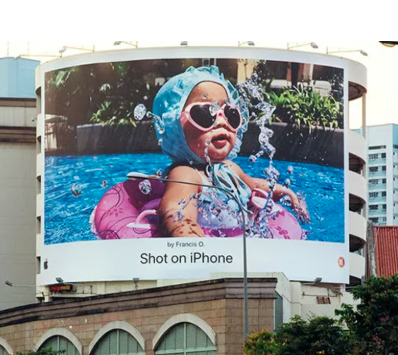
What Worked: Apple’s “Shot on iPhone” Campaign
Apple’s campaign succeeded because the message was clear. No jargon, no over-explaining. Just a simple idea that was executed beautifully, and backed by real user content.
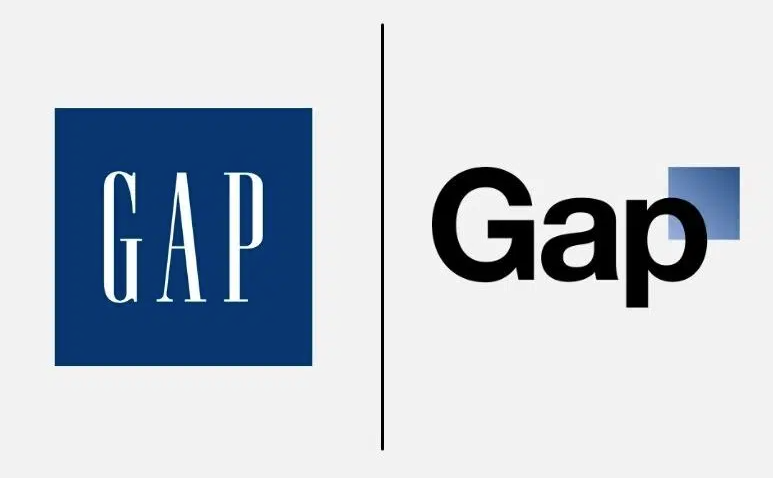
What Didn’t: Gap’s 2010 Logo Redesign
Gap’s sudden logo change confused customers and lacked a clear narrative. There was no explanation, no emotional bride, and no strategic reasoning shared with the audience. The backlash was harsh, and the new logo was pulled within a week.
What We Learned
If your audience has to work to understand your message, they won’t. Clarity builds confidence, confusion creates friction.
Know Who You’re Talking To
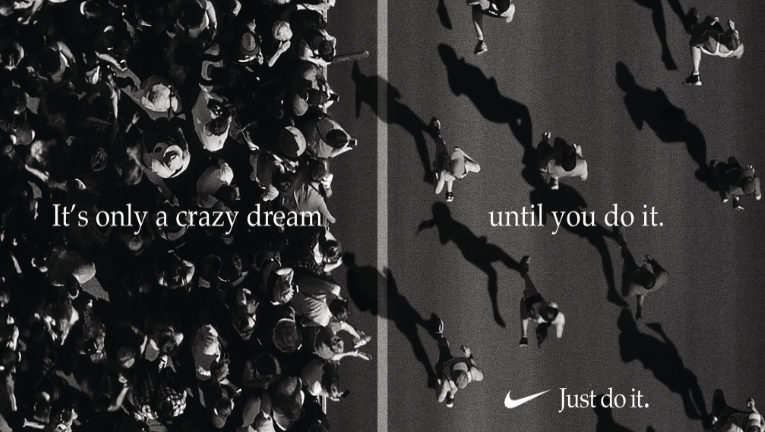
What Worked: Nike’s “Dream Crazy” Campaign
Nike understood its audience deeply and accepted the risk of alienating others. The campaign wasn’t meant for everyone, and that was the point. It strengthened brand loyalty and sparked real, emotional connection while inspiring action.
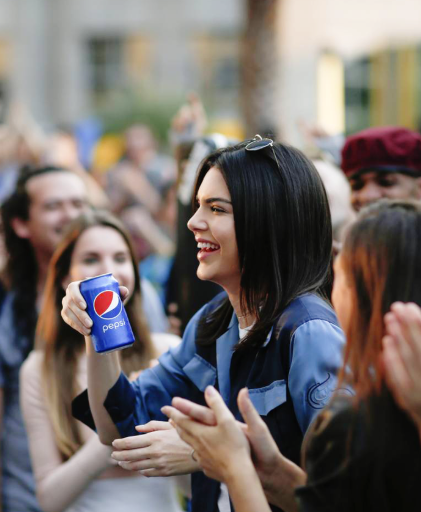
What Didn’t: Pepsi’s Kendall Jenner Ad
Pepsi aimed for cultural relevance without fully understanding the context or the audience. The result was attention, but also distrust and criticism for appearing performative and tone deaf.
What We Learned
Trying to appeal to everyone usually means resonating with no one. Strategy requires choosing your audience, and standing by that choice.
Awareness Without Infrastructure is Liability
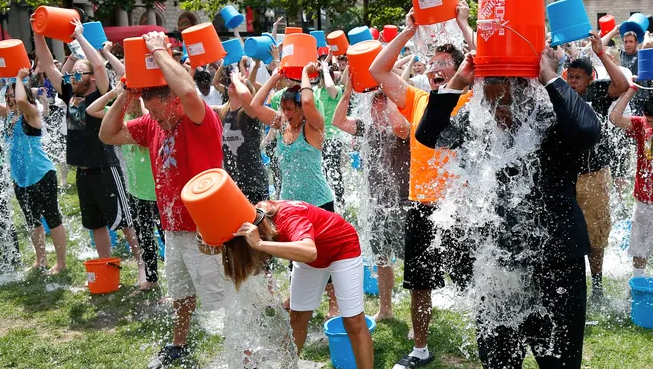
What Worked: ALS Ice Bucket Challenge
This campaign paired massive visibility with a clear, accessible action. Awareness turned directly into participation and donations which were supported by a system ready to handle scale.

What Didn’t: Fyre Festival
The hype was flawless, but the execution was nonexistent. Influencer marketing created demand that the experience couldn’t meet, resulting in a cultural disaster and legal consequences.
What We Learned
If you’re not prepared for the response, don’t launch the campaign. Visibility amplifies readiness, or exposes the lack of it.
Emotion Drives Action When It’s Authentic

What Worked: Dove’s “Real Beauty” Campaign
Dove didn’t just tap into emotion, it committed to a long-term narrative about representation and self-image. The consistency over time made the campaign credible and impactful.
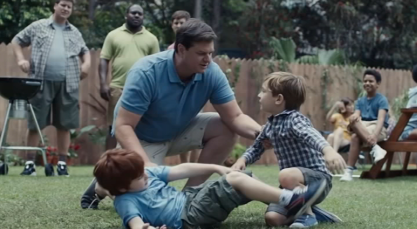
What Didn’t: Gillette’s “The Best Men Can Be” Campaign
While well-intentioned, the Gillette campaign struggled because many viewers felt it was more of a lecture than a conversation. The message wasn’t fully aligned with how the audience perceived the brand.
What We Learned
Emotion works when it’s earned. Authenticity isn’t about saying what you think people want to hear, it’s about backing it up consistently.
The takeaway isn’t that there’s a perfect formula for success. It’s that the strongest campaigns share a few common threads:
- A clear goal beyond getting attention
- A deep understanding of the audience
- Messaging that aligns with brand values
- Infrastructure that supports action
- Willingness to learn, adapt, and refine
We don’t believe in pretending every campaign is a win. We believe in learning quickly, adjusting intentionally, and building strategies that are grounded in real-world behavior, not just best practices on paper.
At the end of the day, our job isn’t just to make things look good. It’s to make them work. If you’re ready to build a campaign that does more than get attention, let’s talk about what success could look like for you.