Tina’s Perspective
Part 2: 1986-1995
The Mac Arrives and Everything Goes Wild
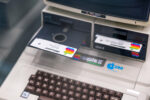
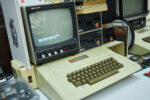
I will never forget the first time I sat down in front of a Macintosh. The year was 1984, the screen was tiny, just black and white, and the entire design industry was standing at a cliff’s edge debating whether to jump. I jumped. I had three full time typographers at the time and a big old Compugraphic typesetting system that would run the galleys. I let the type team know I was moving to Mac, and two of them quit because they thought it would never be good enough. My three graphic designers suddenly had to layout their own type and we all learned (by trial and error) the wonderful and crazy rules of digital design. I have been in freefall ever since, and it’s been quite the trip!
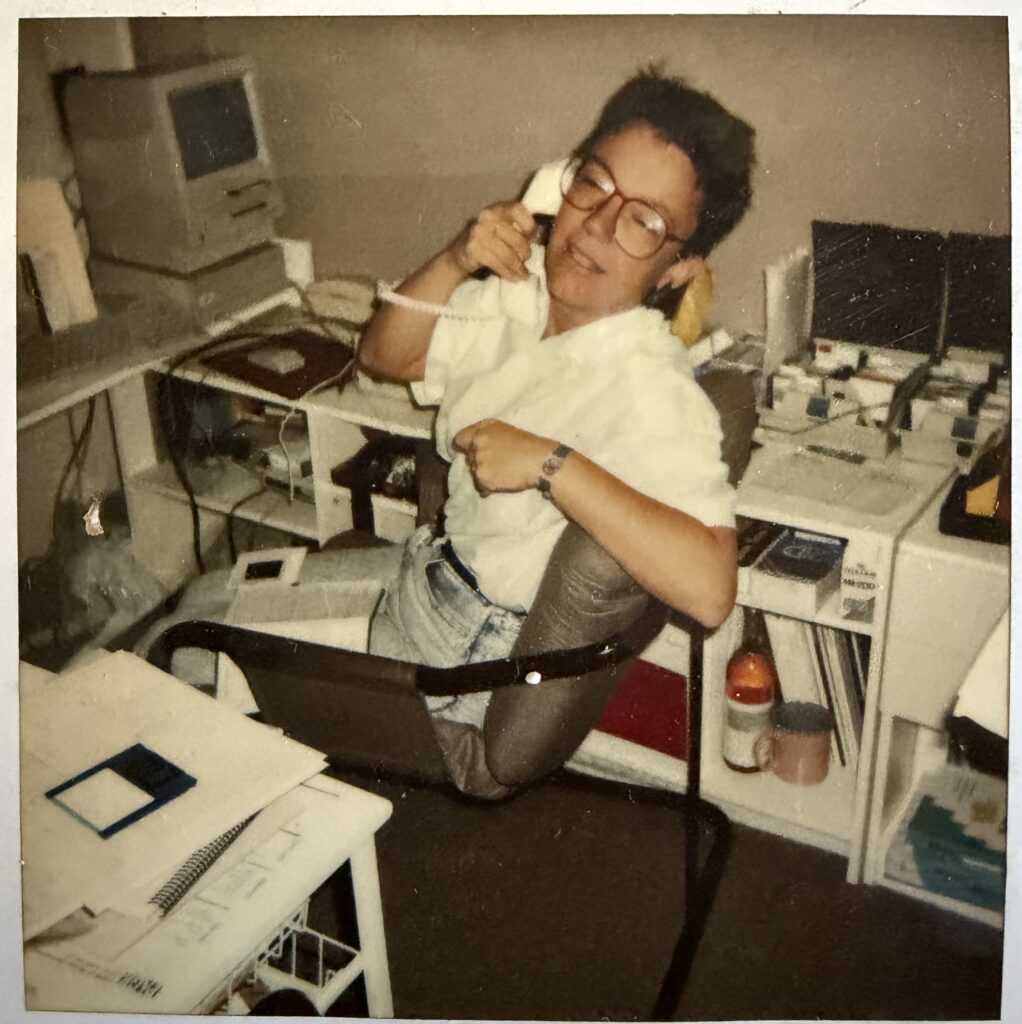
The Mac changed everything, and I mean EVERYTHING!
The early versions of Aldus PageMaker and MacPaint and MacDraw were extraordinary in theory. In practice, printing a single-page newsletter could take forty-five minutes and required dropping to our knees to pray. My first laser printer weighed 150 lbs, and fonts often disappeared mid-job. Artwork would shift mysteriously between your screen and the output, and printers would simply refuse to cooperate. You’d submit a file to the service bureau, they’d call you back six hours later to say it had “a PostScript error,” which was their delicate way of saying your file was dead and no way were you going to meet your deadline. Does anyone remember the sound the modem would make when you sent a file – errrrreeeeeeeuhhhhshhhh – something like that!
The speed of change was addictive . Every six months something new came along, Illustrator, Photoshop, QuarkXPress. The profession that had required years of apprenticeship in paste-up and typesetting was suddenly, and with much controversy, available to anyone with a Mac and a copy of Helvetica. There were no classes, we all learned by trial and error (more errors than successes). The manuals were never even cracked open, we all just dove in.
Established, long time designers were so scared that their jobs would be eliminated. What actually happened is while design was more accessible and many people could create, true creativity and trained expertise became even more valuable. I was thrilled! The tools were freeing to allow more creativity, and that felt right.
Society was shifting too. AIDS activism, environmental movements, and multicultural voices were demanding new kinds of visual communication, not just advertising, but advocacy. Design wasn’t just for selling soap anymore. I had immersed myself in “social marketing” and design was moving into behavior change. It could change minds, move people. That idea planted a seed in me that started Uptown Studios! My skills were no longer designing Yellow Page ads (ask your parents…). This was my start of creating designs for social change!
Uncategorized